In the fast-paced world of retail, product returns and exchanges are an unavoidable reality. While often perceived as a headache, modern systems are transforming this frustrating interaction into an opportunity for improved customer satisfaction and operational efficiency. Effective POS return and exchange management is no longer just about processing transactions; it’s about retaining revenue, building loyalty, and gaining valuable insights into customer behavior and product performance. This article delves into how advanced Point of Sale (POS) solutions are revolutionizing the returns process, making it seamless for both customers and retailers.
The Traditional Hassle of Retail Returns
For many years, managing returns and exchanges has been one of the most cumbersome aspects of retail. Traditional processes often involve manual documentation, lengthy queues, and frustrated customers. Retailers grapple with inventory discrepancies, complicated reconciliation, and a lack of clear visibility into the reasons behind returns, leading to missed opportunities for improvement. The financial burden is substantial, with merchandise returns estimated to hit $890 billion for 2024, representing about 16.9% of sales. This figure highlights the critical need for more efficient systems. Furthermore, manual handling of returns is costly, time-consuming, and prone to errors. Issues like missing documentation, endless back-and-forth with customers, and involvement of countless stakeholders further complicate the process.
The rise of e-commerce has exacerbated these challenges, with online purchases exhibiting significantly higher return rates than in-store purchases—averaging 24.5% compared to 8.72% for brick-and-mortar stores in 2024. This surge in returns has highlighted how slow and outdated internal processes can lead to substantial costs, as returned products can take weeks or months to re-enter the sales cycle. Many items are eventually sold at a discounted price, with a significant percentage not being resold at all. Moreover, a negative return experience can deter customers, with 71% avoiding stores where they’ve had such an encounter. This underscores the importance of efficient POS return and exchange management not just for cost control, but for preserving customer loyalty.
Modern POS Systems: A Game Changer for Returns and Exchanges
Today, advanced POS systems are equipped with features that streamline the entire POS return and exchange management process, transforming it from a liability into a strategic advantage. These systems centralize data, automate workflows, and provide real-time insights, benefiting both retailers and customers. A seamless and hassle-free return experience can turn a potentially negative interaction into a positive one, fostering customer loyalty and encouraging repeat purchases.
Key features of modern POS systems that facilitate superior returns management include:
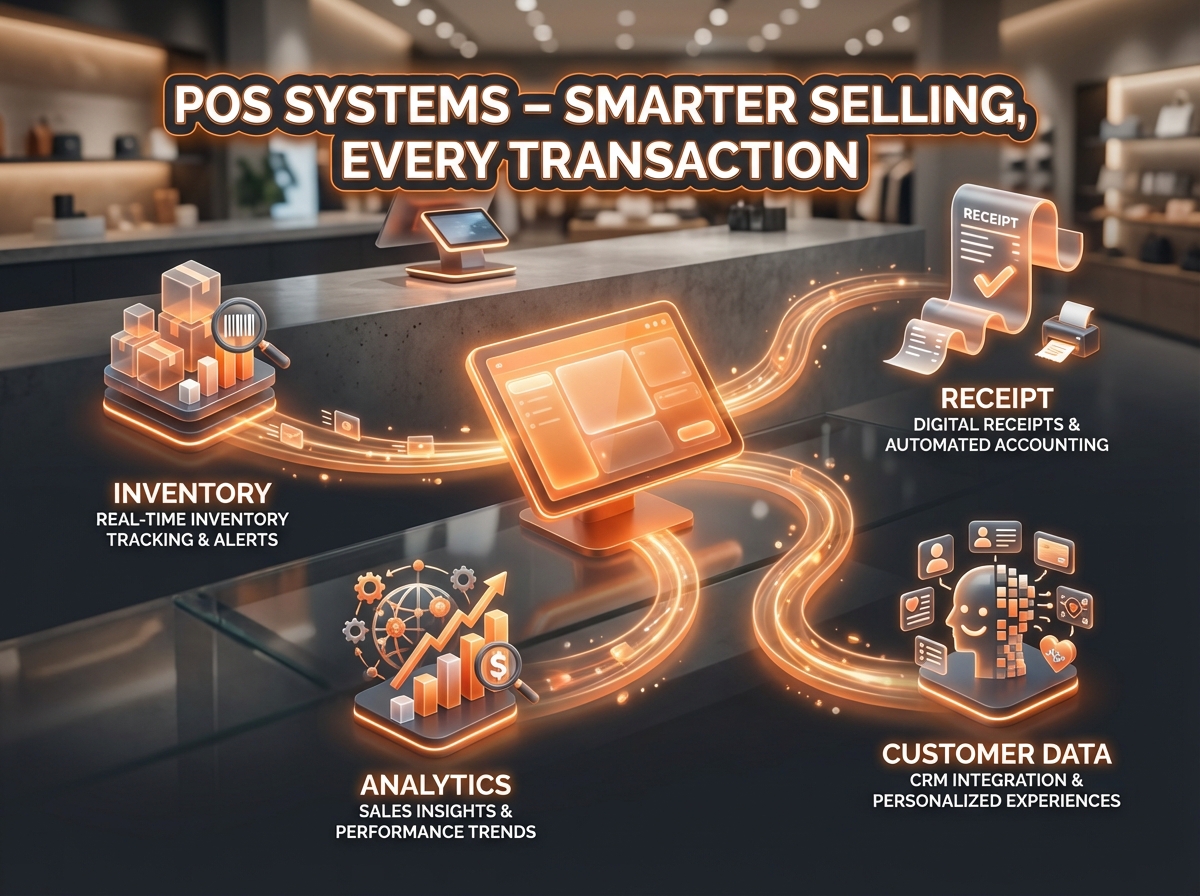
- Real-time Inventory Synchronization: A modern POS system provides an up-to-the-minute view of stock across all channels, instantly updating inventory levels as items are returned or exchanged. This prevents oversells, reduces stockouts, and ensures that returned products are quickly available for resale, minimizing financial losses.
- Automated Workflows: From initiating a return to processing a refund or exchange, automated workflows guide store associates through each step, reducing manual errors and speeding up transactions. Many systems allow for digital receipts and paperless returns, further enhancing efficiency.
- Omnichannel Capabilities: Integrated POS solutions allow customers to return items purchased online back in-store (BORIS) or vice-versa, providing a truly unified experience across all sales channels. This flexibility is crucial as consumers increasingly expect consistency regardless of where they initiated their purchase.
- Enhanced Fraud Prevention: Modern systems track return patterns and flag suspicious activities, helping retailers identify and prevent fraudulent returns and exchanges, which cost the industry billions annually.
- Data Analytics and Reporting: POS systems generate detailed reports on return reasons, locations, and cashier performance. This data is invaluable for identifying product issues, optimizing inventory planning, and refining return policies to improve customer satisfaction and reduce future returns.
- User-Friendly Interface: Guided workflows and intuitive interfaces make it easy for employees to handle returns and exchanges efficiently, ensuring a consistent and professional customer experience.
By leveraging these capabilities, businesses can significantly reduce operational inefficiencies and improve customer experience.
Optimizing Your Return Strategy with Modern POS
Implementing and optimizing a robust POS return and exchange management strategy involves more than just selecting the right software; it requires a holistic approach. Retailers should focus on clear communication of return policies, staff training, and continuous data analysis to refine their processes. Empowering staff with user-friendly systems and comprehensive training ensures they can handle various return scenarios efficiently, contributing to positive customer interactions.
Furthermore, integrating your POS system with other retail technologies, such as order management systems (OMS) and enterprise resource planning (ERP) systems, creates a seamless ecosystem for managing inventory, sales, and returns across all touchpoints. This integration is vital for accurate return processing, real-time inventory updates, and automated financial adjustments. For instance, a centralized omnichannel retail POS can process returns from any channel, streamlining the return-to-inventory workflow and minimizing waste. Focusing on offering perks for exchanges, such as store credit or discounts, can also encourage customers to choose exchanges over refunds, helping retailers retain revenue.
The impact of modern POS return and exchange management extends beyond operational efficiency; it directly influences customer loyalty and sales. A flexible return policy can lower hesitation among buyers, especially online, and lead to increased sales. Positive return experiences have been shown to make customers more likely to make additional purchases. By continuously monitoring and analyzing returns data, retailers can identify trends, address product quality issues, and adapt their strategies to meet evolving consumer expectations.
Conclusion
In conclusion, efficient POS return and exchange management is a critical component of modern retail success. What was once considered a frustrating necessity can now be a powerful tool for customer retention and operational excellence. By investing in advanced POS systems, retailers can streamline processes, gain valuable insights, prevent fraud, and ultimately transform negative return experiences into opportunities to strengthen customer relationships. A well-managed returns process not only reduces costs and improves efficiency but also builds trust and loyalty, positioning businesses for long-term growth in an increasingly competitive market. Automating the returns process is no longer just an option, but a necessity for staying ahead.