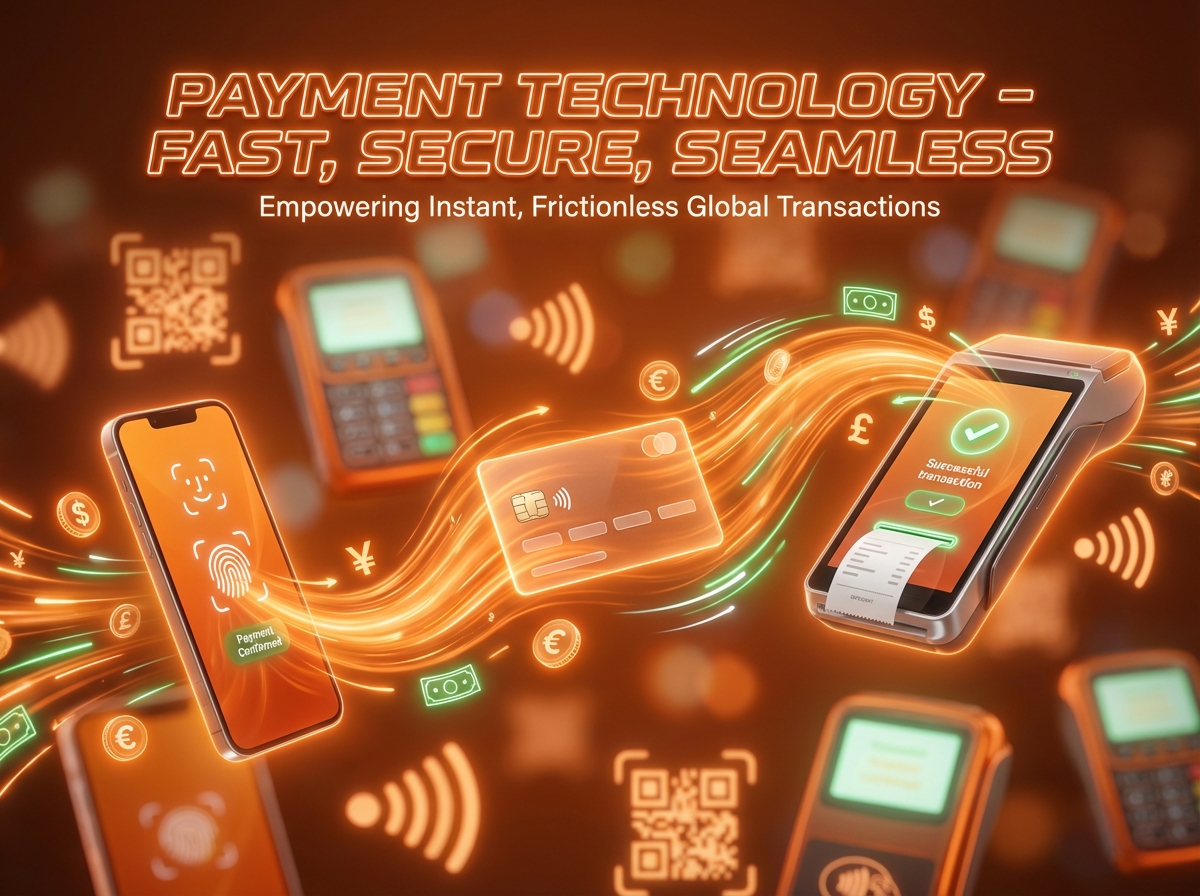
The retail landscape is undergoing a significant transformation, with consumers increasingly preferring swift and secure transactions. This shift is primarily driven by the widespread embrace of Near Field Communication (NFC) technology, marking a crucial contactless payment tipping point. Understanding the statistics behind NFC adoption is now paramount for retailers looking to modernize their infrastructure and remain competitive in a rapidly evolving market, as it directly impacts customer experience and operational efficiency.
The Unstoppable Momentum of NFC Adoption
The journey towards a truly cashless society has been a gradual one, but the past few years have witnessed an unprecedented acceleration, largely due to NFC technology. This surge isn’t just a fleeting trend; it represents a significant and undeniable contactless payment tipping point in how consumers interact with retail environments globally. Global statistics paint a clear picture of this seismic shift: the total value of contactless payment transactions is anticipated to exceed $10 trillion by 2027, with some projections reaching as high as $15.7 trillion by the same year. This remarkable growth is fueled by a confluence of powerful factors. Firstly, the unparalleled convenience offered by simply tapping a card, smartphone, or even a wearable device eliminates the need for fumbling with physical cash, counting change, or laboriously entering PINs. This drastically speeds up transaction times, a critical factor for retailers, particularly during peak hours.
Secondly, the enhanced security features inherent in NFC transactions contribute significantly to consumer confidence. Technologies like tokenization, which replaces sensitive card data with unique, single-use codes, make contactless payments generally safer than traditional swipe or chip-and-PIN methods, substantially mitigating the risk of fraud. The global COVID-19 pandemic also played an undeniable, catalyst role, pushing hygiene concerns to the forefront and firmly positioning contactless payments as a safer, more sanitary alternative to physical contact with terminals or cash. This health-driven impetus cemented new consumer behaviors that show no signs of receding.
From ubiquitous smartphones to increasingly popular smartwatches and other wearables, NFC-enabled devices are now widespread, making the technology accessible to a vast and diverse demographic across almost all age groups. Around 94% of all smartphones worldwide are equipped with NFC technology, and by 2026, over 80% of all payment cards are expected to be contactless. Major payment networks, including Visa and Mastercard, have aggressively promoted contactless acceptance, often mandating its inclusion for new payment terminals, further solidifying NFC’s position as the preferred method in many markets. Regions like Europe and Australia have seen particularly high adoption rates, with some European countries reporting nearly 85% of retail purchases already being contactless, a figure expected to reach 90% by 2025. Australia notably boasts one of the highest contactless adoption rates globally, with nearly all card-present transactions being contactless by 2023. This widespread availability and ease of use have cultivated a new, deeply ingrained consumer expectation: a frictionless, fast, and secure checkout experience. Retailers who haven’t yet fully integrated NFC-enabled point-of-sale (POS) systems are increasingly finding themselves at a significant disadvantage, as customers actively seek out and gravitate towards stores that offer the speed, convenience, and perceived security they’ve come to expect. The data unequivocally shows that the contactless payment tipping point has been emphatically reached, making NFC adoption not just an optional upgrade, but a critical strategic imperative for businesses of all sizes looking to thrive in the modern retail landscape. Ignoring this fundamental shift risks alienating a growing segment of the customer base that prioritizes efficiency, security, and cutting-edge payment solutions.
Revitalizing Retail Infrastructure for the Contactless Era
Reaching this definitive contactless payment tipping point necessitates a fundamental reassessment and robust revitalization of existing retail infrastructure. For many businesses, particularly small to medium-sized enterprises, the transition extends well beyond merely upgrading their payment terminals; it involves a holistic approach encompassing technology integration, comprehensive staff training, and rigorous security protocols. The most immediate and visibly impactful aspect is the upgrade of Point-of-Sale (POS) systems. Legacy systems that only accept magnetic stripe swipe or chip-and-PIN transactions must be replaced or augmented with modern, NFC-compatible terminals. These advanced POS solutions must be capable of seamlessly handling a diverse array of contactless payment methods, including popular mobile wallets like Apple Pay, Google Pay, and Samsung Pay, as well as the ever-present contactless credit and debit cards. The investment in new, EMVCo-certified hardware is crucial, but equally important is ensuring that these systems are robust, highly reliable, and integrated seamlessly with other critical retail functions such as inventory management, customer loyalty programs, and accounting software. Cloud-based POS systems, in particular, offer unparalleled flexibility, scalability, improved security, and real-time data analytics, providing retailers with invaluable insights into sales trends and customer behavior, which is vital in a fast-paced market. These systems can be accessed from anywhere with an internet connection, allow for easier and more cost-effective scalability, and often come with automatic software updates, reducing IT and maintenance costs.
Beyond the hardware, comprehensive staff training is paramount. Employees must be thoroughly proficient in guiding customers through contactless transactions, efficiently troubleshooting any common issues that may arise, and clearly articulating the numerous benefits of this modern payment method. A well-informed, confident staff can significantly enhance the overall customer experience, alleviate any lingering anxieties, and actively encourage wider adoption of contactless payments. Furthermore, robust security remains an absolute top priority. While NFC transactions are inherently secure due to their short range and encryption, retailers must ensure their entire network infrastructure, from backend servers to Wi-Fi networks, is meticulously protected against evolving cyber threats. Adhering to Payment Card Industry Data Security Standard (PCI DSS) compliance, which establishes a set of security requirements to safeguard cardholder data during contactless transactions, is crucial. Implementing regular security audits, and employing robust data encryption are non-negotiable practices for safeguarding sensitive customer data. While not a legal requirement, PCI DSS compliance is highly advisable to avoid potential data infringements and hefty non-compliance fees. Embracing the contactless payment tipping point also unlocks significant doors to enhanced operational efficiency. Faster transaction times inherently lead to shorter queues, improved customer throughput, and ultimately, a more positive and efficient shopping experience across the board. For retailers, this directly translates into increased sales potential, reduced operational bottlenecks, and a stronger brand reputation as an innovative, customer-centric business committed to both convenience and security. The future resilience and profitability of retail infrastructure are undeniably linked to the continued evolution, seamless integration, and proactive adoption of advanced contactless payment technologies.
Conclusion
The dramatic rise in NFC adoption signals a definitive contactless payment tipping point, fundamentally reshaping consumer expectations and retail operations. The statistics clearly demonstrate a global shift towards tap-and-go payments, driven by demands for speed, security, and convenience. Retailers who proactively invest in upgrading their POS systems, integrating NFC technology, and training their staff are not just keeping pace with trends; they are strategically positioning themselves for future growth. Embracing this technological evolution is no longer an option but a critical requirement for maintaining competitiveness and delivering the seamless shopping experiences modern consumers demand. The future of retail is undoubtedly contactless, and preparedness is key to thriving in this new era.