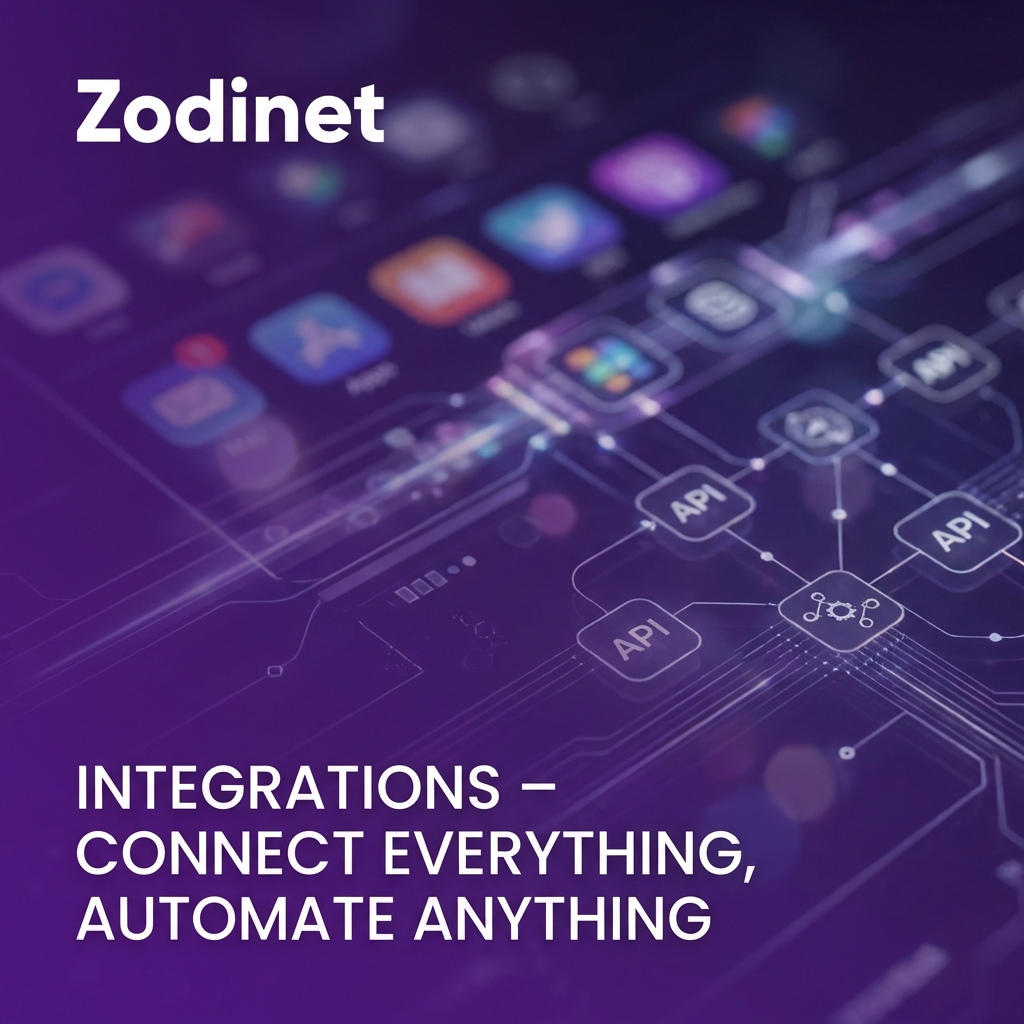
As organizations increasingly adopt Software-as-a-Service (SaaS) tools, the complexity of their data ecosystems grows exponentially. Connecting dozens of these applications creates a vast network of data flows, each presenting a potential entry point for security breaches. Establishing a robust integration security perimeter is no longer optional; it’s a critical imperative for safeguarding sensitive information in this interconnected landscape.
\n\n
The Expanding Attack Surface of SaaS Integrations
\n
The allure of SaaS lies in its agility and specialized functionality. However, each new integration—whether for CRM, HR, marketing, or finance—introduces potential vulnerabilities. These connections often share data bidirectionally, extending trust boundaries across multiple third-party environments.
\n\n
The Hidden Risks of Interconnected Tools
\n
- \n
- Data Proliferation: Information is replicated and shared across numerous platforms, making it harder to track and secure.
- Misconfiguration Vulnerabilities: Incorrectly set up API keys or access policies can expose data or grant unauthorized access.
- Supply Chain Attacks: A vulnerability in one integrated SaaS vendor can ripple through your entire ecosystem.
- Shadow IT: Unsanctioned SaaS applications can be integrated without proper security review, creating blind spots.
\n
\n
\n
\n
\n
Understanding these inherent risks is the first step toward fortifying your defenses. Without a clear strategy, your data ecosystem becomes a patchwork of potential weak links, ripe for exploitation.
\n\n
Common Vulnerabilities in SaaS Workflows
\n
Specific integration patterns often harbor common security flaws. For instance, granting overly permissive API access can lead to data exfiltration even if a user account is compromised. Similarly, lax authentication protocols between applications can allow unauthorized access to sensitive workflows.
\n
- \n
- Weak API Authentication: Reliance on static API keys without rotation or strong access controls.
- Overly Permissive Access Scopes: Granting integrations broader data access than functionally required.
- Insecure Data Transit: Transferring sensitive data without proper encryption or secure protocols.
- Lack of Centralized Visibility: Inability to monitor data flows and access patterns across all integrated services.
\n
\n
\n
\n
\n
Addressing these vulnerabilities requires a proactive and structured approach, focusing on establishing a clear integration security perimeter around your digital assets.
\n\n
Building Your Integration Security Perimeter Foundation
\n
Establishing a strong security foundation for your integrated SaaS environment involves several core principles. These measures ensure that only authorized entities can access necessary data and that all data exchanges are secure and monitored.
\n\n
Identity and Access Management (IAM) Essentials
\n
A robust IAM strategy is paramount. It dictates who can access what, under which conditions, and when. For SaaS integrations, this extends beyond human users to machine identities and service accounts.
\n
- \n
- Single Sign-On (SSO): Implement SSO across all integrated SaaS tools to centralize authentication and simplify user management.
- Multi-Factor Authentication (MFA): Enforce MFA for all administrative and privileged access, both for human users and API access.
- Least Privilege Principle: Grant integrations and users only the minimum access necessary to perform their functions. Regularly review and revoke unnecessary permissions.
- Automated Provisioning/Deprovisioning: Automate user and service account lifecycle management to ensure immediate revocation of access upon departure or change in role.
\n
\n
\n
\n
\n\n
Data Governance and Classification
\n
Understanding what data you have, where it resides, and its sensitivity level is crucial. This knowledge informs your security policies and helps prioritize protection efforts.
\n
- \n
- Data Inventory and Mapping: Document all data types, their storage locations (across SaaS tools), and their flow paths between applications.
- Data Classification: Categorize data based on its sensitivity (e.g., public, internal, confidential, restricted) to apply appropriate security controls.
- Retention Policies: Define and enforce clear data retention policies across all integrated platforms to minimize the amount of sensitive data stored.
\n
\n
\n
\n\n
Secure API Management
\n
APIs are the arteries of your integrated ecosystem. Securing them is fundamental to maintaining an effective integration security perimeter.
\n
- \n
- API Gateway: Implement an API gateway to centralize API security, traffic management, and policy enforcement.
- Strong API Authentication: Use industry-standard authentication mechanisms like OAuth 2.0 or mutual TLS (mTLS) for API-to-API communication.
- Rate Limiting and Throttling: Protect against denial-of-service attacks and brute-force attempts by limiting API request rates.
- Input Validation: Ensure all data entering through APIs is validated to prevent injection attacks and other data manipulation.
\n
\n
\n
\n
\n\n
Advanced Strategies for Continuous Protection
\n
Building the foundation is just the beginning. Continuous vigilance and adaptation are necessary to maintain a strong security posture in the face of evolving threats and new integrations. This involves proactive monitoring, thorough vendor assessments, and robust incident response planning.
\n\n
Continuous Monitoring and Threat Detection
\n
You can’t protect what you can’t see. Implementing comprehensive monitoring across your entire SaaS ecosystem is essential for early threat detection.
\n
- \n
- Security Information and Event Management (SIEM): Aggregate logs and security events from all integrated SaaS tools into a central SIEM for correlated analysis.
- Cloud Access Security Brokers (CASBs): Utilize CASBs to gain visibility into SaaS usage, enforce data loss prevention (DLP) policies, and detect anomalous behavior.
- User and Entity Behavior Analytics (UEBA): Monitor user and service account behavior for deviations from normal patterns, indicating potential compromises.
- API Monitoring: Continuously monitor API traffic for unusual spikes, errors, or unauthorized access attempts.
\n
\n
\n
\n
\n\n
Vendor Security Assessments and Due Diligence
\n
Your integration security perimeter is only as strong as its weakest link, and often that link can be a third-party vendor. Thoroughly vetting your SaaS providers is non-negotiable.
\n
- \n
- Security Questionnaires: Use standardized questionnaires (e.g., CAIQ, SIG) to assess vendor security practices and compliance.
- Regular Audits and Certifications: Request proof of relevant security certifications (e.g., SOC 2, ISO 27001) and conduct periodic security audits.
- Contractual Security Clauses: Include explicit security and data protection clauses in all vendor contracts, detailing responsibilities and breach notification requirements.
- Penetration Testing Results: Review independent penetration test results for SaaS vendors to understand their vulnerability management.
\n
\n
\n
\n
\n\n
Incident Response Planning for Integrations
\n
Even with the best preventative measures, incidents can occur. A well-defined incident response plan tailored to your integrated SaaS environment is crucial for minimizing damage and ensuring rapid recovery.
\n
- \n
- Integration-Specific Playbooks: Develop incident response playbooks that address scenarios involving compromised SaaS tools or integration failures.
- Communication Protocols: Establish clear communication channels and protocols with your SaaS vendors for security incidents.
- Data Backup and Recovery: Ensure robust data backup and recovery strategies are in place across all critical SaaS applications.
- Regular Drills: Conduct regular tabletop exercises and drills to test the effectiveness of your incident response plan in an integrated environment.
\n
\n
\n
\n
\n\n
Conclusion
\n
Protecting your data ecosystem when connecting dozens of SaaS tools is a complex but manageable challenge. By establishing a robust integration security perimeter, organizations can significantly mitigate risks and maintain data integrity. This involves a multi-faceted approach, encompassing strong IAM, meticulous data governance, secure API management, continuous monitoring, thorough vendor assessments, and a proactive incident response strategy. Embracing these best practices will fortify your digital infrastructure, ensuring your valuable data remains secure in an increasingly interconnected world.