In today’s complex B2B landscape, a one-size-fits-all approach no longer cuts it. Companies are increasingly adopting account-based marketing (ABM) strategies, moving beyond individual leads to target entire organizations. This shift, powerfully amplified by robust CRM platforms, allows B2B businesses to precisely engage every member of a prospective buying committee, optimizing their sales and marketing efforts for higher conversion and revenue.
The Strategic Shift: From Leads to Accounts
Traditional B2B marketing often focused on generating a high volume of individual leads, hoping a few would convert. However, modern purchasing decisions in enterprises are rarely made by a single person. Instead, they involve multiple stakeholders, each with unique priorities, pain points, and roles within a buying committee.
Understanding the B2B Buying Committee
A typical buying committee can include a diverse set of individuals:
- Economic Buyer: Holds the budget and makes the final financial decision.
- User Buyer: Will directly use the product or service and evaluates its practical benefits.
- Technical Buyer: Assesses the solution’s technical specifications and compatibility.
- Champion/Influencer: Advocates for the solution internally and helps navigate the organization.
- Gatekeeper: Controls access to other decision-makers.
Recognizing the intricate dynamics of these committees is the first step towards effective account-based marketing. Instead of broadcasting generic messages, ABM zeroes in on specific high-value accounts, tailoring content and outreach to resonate with each member of their unique buying committee.
CRM: The Central Nervous System for ABM Execution
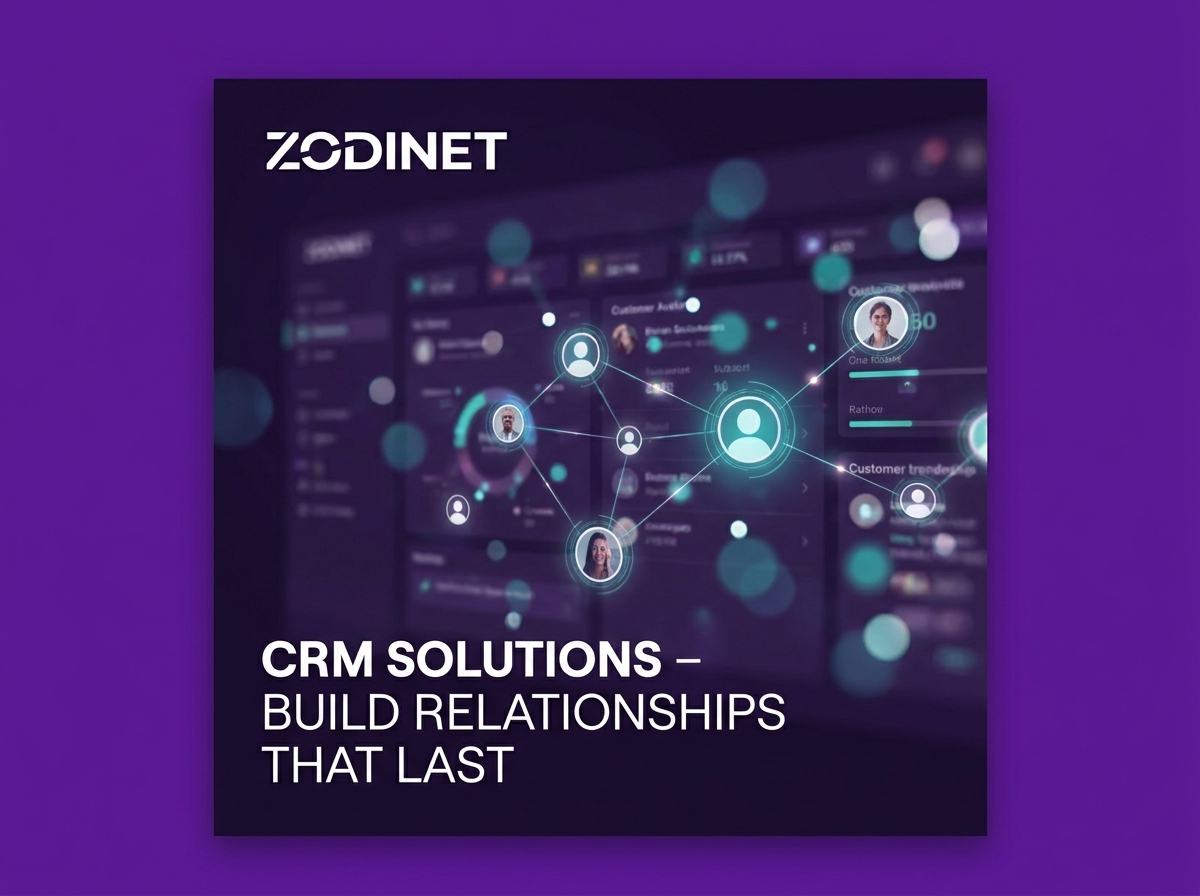
For ABM to be truly effective, a powerful CRM (Customer Relationship Management) system is not just helpful, but essential. The CRM acts as the single source of truth, consolidating all data related to target accounts and their individual stakeholders. This integration empowers B2B companies to execute highly personalized and coordinated ABM campaigns.
How CRM Fuels ABM Strategies
- Unified Account View: A CRM provides a comprehensive 360-degree view of each target account, including company firmographics, historical interactions, open opportunities, and a detailed profile of every contact within that organization. This allows marketers and sales teams to understand the full context of an account.
- Contact Segmentation and Profiling: Within the CRM, individual contacts can be segmented based on their role, seniority, department, and influence level within the buying committee. This granular profiling is critical for personalizing messaging.
- Activity Tracking and Orchestration: Every interaction – emails, calls, website visits, content downloads, meeting notes – is logged in the CRM. This provides a real-time understanding of an account’s engagement level and allows for the coordinated orchestration of sales and marketing touches across different committee members.
- Automated Workflows and Nurturing: CRM-integrated marketing automation tools can trigger personalized content and outreach sequences for specific roles within a target account, ensuring consistent and relevant communication without manual oversight. For example, a technical buyer might receive a whitepaper on integration capabilities, while an economic buyer gets a case study on ROI.
- Alignment Between Sales and Marketing: A shared CRM platform fosters seamless collaboration between sales and marketing teams. Marketing can pass highly qualified, nurtured accounts directly to sales with all the necessary context, and sales can provide feedback on account engagement, refining future ABM efforts.
Without a robust CRM, managing the complexity of multiple stakeholders within numerous target accounts would be an insurmountable challenge. The CRM transforms ABM from a conceptual strategy into a powerful, executable process.
Strategies for Engaging the Entire Buying Committee
Leveraging a CRM to power an ABM strategy enables B2B companies to engage every member of a buying committee with precision and relevance. This multi-threaded approach significantly increases the likelihood of closing complex deals.
Tailoring Content and Messaging by Role
One of the core tenets of ABM is personalized communication. With CRM data, marketers can:
- Craft specific value propositions that address the unique challenges and goals of each role.
- Develop targeted content assets (e.g., technical deep dives for engineers, ROI calculators for finance, strategic whitepapers for executives).
- Utilize personalized email campaigns that reference previous interactions and specific business needs identified within the CRM.
Coordinated Multi-Channel Outreach
Effective ABM extends beyond email. A CRM helps orchestrate diverse touchpoints:
- Personalized Sales Outreach: Sales teams use CRM insights to tailor their calls and emails, referencing content consumed by other committee members or specific company initiatives.
- Digital Advertising: IP-based targeting or account-based advertising platforms can display personalized ads to individuals from target accounts as they browse the web, reinforcing brand and solution messaging.
- Direct Mail & Gifting: Thoughtful, personalized direct mail or gifts can cut through digital noise, with CRM data guiding the choice of gift based on individual preferences or company culture.
- Executive Engagement: For high-level decision-makers, strategic 1:1 outreach, exclusive events, or personalized executive briefings become crucial, all tracked and managed within the CRM.
By synchronizing these various channels and ensuring that each interaction builds upon the last, B2B companies can create a cohesive and impactful experience for the entire buying committee, driving them collectively towards a purchasing decision. This holistic approach is the hallmark of successful account-based marketing.
Conclusion
The evolution of B2B purchasing demands a sophisticated approach, and account-based marketing powered by a robust CRM is the answer. By shifting focus from individual leads to entire high-value accounts and their diverse buying committees, businesses can achieve unparalleled precision in their marketing and sales efforts. The CRM provides the foundational data and operational infrastructure, enabling personalized engagement across multiple channels and stakeholders. This integrated strategy not only enhances customer experience but ultimately drives greater efficiency, higher conversion rates, and sustainable revenue growth for B2B organizations.