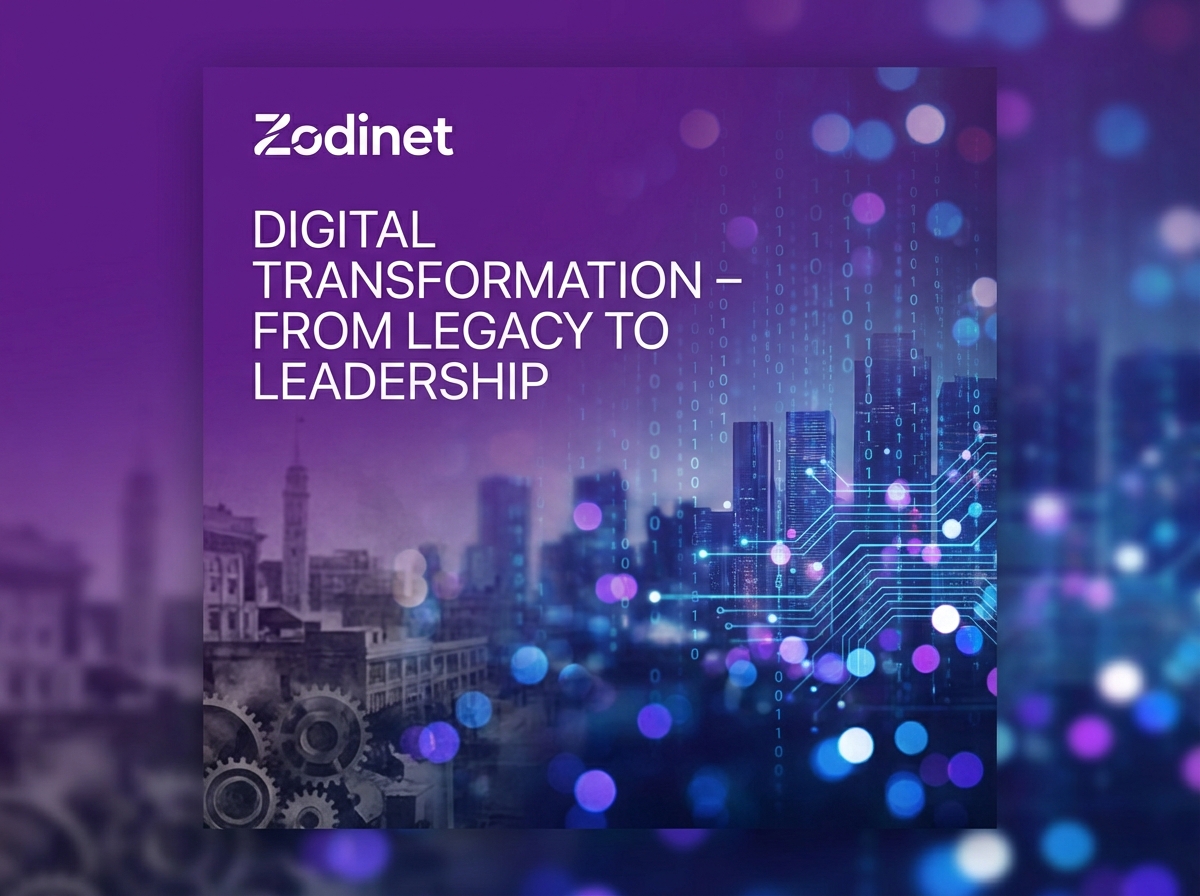
In the relentless pursuit of digital transformation, many organizations find themselves grappling with the formidable challenge of legacy systems. These aging infrastructures often harbor significant technical debt, acting as an anchor that drags down innovation and efficiency. Effectively addressing this debt through robust legacy modernization strategies is not merely an IT project, but a strategic imperative for sustained competitive advantage.
Understanding Technical Debt and Its Digital Transformation Impact
Technical debt, much like financial debt, accumulates when expedient, short-term solutions are chosen over optimal long-term ones. It’s a natural byproduct of software development, but when left unmanaged in legacy systems, it can severely impede digital transformation efforts.
- Slowed Innovation: Legacy systems often use outdated languages and architectures, making it difficult to integrate new features or adopt modern technologies like AI and machine learning.
- Increased Maintenance Costs: A disproportionate amount of IT budget is often consumed by maintaining and patching legacy code, diverting resources from new development.
- Security Vulnerabilities: Older systems may lack contemporary security features, making them prime targets for cyberattacks and regulatory non-compliance.
- Talent Drain: Finding and retaining developers proficient in archaic programming languages becomes increasingly difficult, leading to skill gaps and knowledge silos.
Recognizing the depth of technical debt is the first step toward formulating effective legacy modernization strategies that align with business objectives.
The Four Core Legacy Modernization Strategies
Navigating the complexities of legacy systems requires a strategic approach. There are typically four distinct paths an organization can take, each with varying levels of effort, cost, and potential benefits.
1. Rehost (Lift and Shift)
Rehosting involves moving an application from its current on-premise environment to a new infrastructure, typically a cloud platform, with minimal or no changes to the application’s code or architecture. This is often the quickest and least disruptive modernization approach.
- Approach: Virtual machines, operating systems, and applications are migrated as-is to a cloud provider (e.g., AWS EC2, Azure VMs).
- Benefits: Faster time to market, immediate cost savings on infrastructure, improved scalability and reliability.
- Considerations: Doesn’t address underlying technical debt within the application code; may not fully leverage cloud-native benefits.
- Best For: Applications that are not deeply integrated with on-premise infrastructure, or as a preliminary step to more advanced modernization.
2. Refactor/Replatform
Replatforming involves making minor optimizations to an application to take advantage of new platform capabilities, without altering the core architecture. Refactoring, a closely related strategy, involves restructuring existing code without changing its external behavior to improve its internal quality and maintainability.
- Approach: Minor code adjustments (e.g., switching from a proprietary database to a managed cloud service, updating middleware).
- Benefits: Improved operational efficiency, enhanced performance, better utilization of cloud services, and reduced reliance on legacy components.
- Considerations: Requires some development effort; may still retain some legacy architectural constraints.
- Best For: Applications where minor changes can yield significant gains in cloud efficiency or maintainability, and where a complete rewrite is not justified.
3. Re-architect
Re-architecting entails significant modifications to an application’s architecture to enable it to leverage new and improved functionalities of a target platform. This often involves breaking down monolithic applications into smaller, independent services.
- Approach: Adopting microservices, serverless functions, containerization (e.g., Docker, Kubernetes), and API-first designs.
- Benefits: Enhanced agility, improved scalability, greater resilience, and the ability to integrate with modern development pipelines (CI/CD).
- Considerations: Higher complexity and cost than rehosting or replatforming; requires significant development expertise.
- Best For: Applications that are strategic to the business, require high scalability and agility, and where the existing architecture is a major bottleneck.
4. Rebuild/Replace
This strategy involves completely discarding the old legacy system and either building a new application from scratch or replacing it with a commercial off-the-shelf (COTS) solution or Software-as-a-Service (SaaS) product. It is the most transformative, but also the most resource-intensive approach.
- Approach: Developing a new application using modern technologies and paradigms, or migrating to a standardized SaaS offering.
- Benefits: Eliminates all accumulated technical debt, offers maximum flexibility, and provides a fresh start with modern capabilities.
- Considerations: Highest cost, longest duration, significant business disruption, and potential for data migration challenges.
- Best For: Systems that are beyond repair, offer no unique business value, or where an excellent COTS/SaaS solution perfectly fits business needs.
Choosing the Right Path for Your Legacy Modernization
The optimal legacy modernization strategy is not a one-size-fits-all solution; it depends on a thorough assessment of several factors. Organizations must weigh the current state of their legacy applications, the severity of technical debt, business priorities, available budget, and risk tolerance.
Key considerations include:
- Business Value: How critical is the application to core business operations? Strategic applications often warrant more transformative approaches like re-architecting or rebuilding.
- Technical Complexity: The intricacy of the existing code, its dependencies, and documentation will influence the feasibility and cost of each path.
- Cost vs. Benefit: A detailed financial analysis comparing the investment required for each strategy against the expected returns in terms of efficiency, innovation, and risk reduction is crucial.
- Risk Tolerance: Rebuilding carries the highest risk of disruption, while rehosting is generally lower risk. Organizations must balance ambition with their capacity for change.
- Skills Availability: Does the current team possess the expertise for complex re-architecting, or will external talent be required?
Often, a hybrid approach combining different strategies across various applications within the legacy portfolio proves most effective. Implementing a phased rollout and prioritizing applications based on their business impact and technical readiness can significantly mitigate risks.
Conclusion
Dealing with technical debt in digital transformation is a journey, not a destination. By understanding the four primary legacy modernization strategies—rehost, replatform/refactor, re-architect, and rebuild/replace—organizations can make informed decisions tailored to their unique circumstances. Each path offers a distinct way to shed the burden of legacy systems, paving the way for greater agility, innovation, and resilience. A thoughtful, strategic approach to legacy modernization is paramount for any enterprise committed to thriving in the digital age.